Buy the Coat First: Why Winter Outerwear Should Lead Your Whole Look
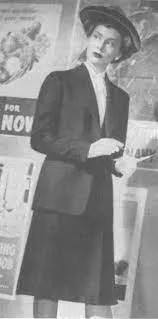
Photo: Unknown authorUnknown author, Public domain, via Wikimedia Commons
Here is a small experiment. Think about what you wore yesterday. Now think about what coat you wore over it. Most of us can describe the outfit in detail and the coat in three words: black, warm, old. That is a strange mismatch, because the coat is the thing people see the longest. It is the first impression on the street, the silhouette in the doorway, the layer that stays on at the restaurant because the corner table is drafty.
Winter style has a quiet hierarchy problem. We treat the coat like an afterthought, then wonder why our outfits feel unfinished from November through March. The fix is simple, even if it takes a little planning: buy the coat first. Let outerwear lead.
The Coat Is Doing More Work Than You Think
A coat sets the shape of your entire look. A long, clean-lined wool coat makes jeans and a sweater look intentional. A puffer can make a tailored outfit look casual. A cropped jacket changes your proportions. A trench in the wrong color can fight everything you own.
This is why the coat deserves the same attention you give to a dress or a pair of boots. It is not just protection from the weather. It is the frame around the picture. If the frame is crooked, the picture suffers.
Fit First, Always
Before you think about color or fabric, think about fit. The shoulders should sit where your shoulders actually are. The sleeves should end at your wrist bone or just above. You should be able to layer a sweater underneath without feeling like you are wearing a straitjacket. The hem should hit where you want it to — above the knee for a sporty look, mid-calf for elegance, full length for drama and warmth.
If the shoulders fit but the sleeves are long, that is an easy fix at the tailor. If the shoulders are wrong, walk away. Shoulder alterations are expensive and rarely worth it. The same goes for a coat that is too tight across the back. You will not wear it, no matter how good it looks on the hanger.
Fabric Is the Quiet Luxury
You do not need to spend a fortune, but you do need to read the label. A wool or wool-blend coat will generally look more polished and last longer than a synthetic coat with a similar silhouette. Cashmere blends feel softer and warmer. Down and technical fabrics are excellent for serious cold and wet weather, but they have a different visual language — more casual, more practical.
Think about your climate and your life. If you live in a city where you walk a lot, you need a coat that handles wind and rain. If you drive everywhere, you can prioritize style and warmth over weatherproofing. If you spend weekends in the snow, you need a separate coat for that. One coat does not have to do everything, but the coat you wear most should do the thing you need most.
Also check the lining, the seams, and the buttons. A good coat should feel substantial without being heavy. Pockets should be deep enough for your hands and your phone. The zipper or buttons should work easily with gloves on. These small details are what make a coat a pleasure to wear instead of a chore.
Choose a Color That Works With Your Closet
The best coat color is the one that makes your existing clothes look better. For many people, that is camel, black, navy, or gray. These neutrals work with almost everything and make the coat easy to repeat. If your closet is full of color, a neutral coat gives it a rest. If your closet is mostly neutrals, a coat in a rich color — burgundy, forest green, chocolate brown — can be the thing that makes winter feel less gray.
If you want a statement coat, keep the rest of your outfit simple. Let the coat be the main event. A bright red coat with jeans and a black turtleneck is a complete look. A bright red coat with a patterned scarf, a printed bag, and three other colors is a traffic jam.
The Three-Coat Wardrobe
Most people do not need ten coats. They need three, chosen well:
- An everyday coat. This is the one you wear most. It should be warm, comfortable, and neutral enough to go with everything. A wool coat in camel or navy is a good place to start.
- A dressy coat. This is for evenings, events, and days when you want to look a little more polished. It can be longer, darker, or more structured. It does not have to be expensive; it just has to fit well.
- A weatherproof coat. This is for rain, snow, and the days when looking good is secondary to staying dry. A puffer, a parka, or a raincoat can live here. It does not need to match your work wardrobe. It needs to work.
If you live in a mild climate, you may only need the first two. If you live in a serious winter city, the third one may be the most important.
How to Shop Like You Mean It
When you try on a coat, bring the layers you actually wear. A chunky sweater. A blazer. The bag you carry every day. It is amazing how many coats feel great over a T-shirt and terrible over real life.
Wear the coat around the store. Sit down. Lift your arms. Put your hands in the pockets. Check the mirror from the side and the back. A coat should look good from every angle, because people see you from every angle.
And do not rush. A good coat is an investment, but not in the way a slogan T-shirt is an investment. It is an investment because you will wear it hundreds of times. Choose one you actually want to put on. If you dread wearing it, it is not a good coat for you, no matter how practical it seems.
The Coat Check Rule
If your outfit feels off and you are about to leave the house, try changing the coat before you change the outfit. A better coat can pull a simple look together. A worse coat can drag a great look down. The coat is not the last thing you grab. It is the first thing people see.
Buy the coat first. Then build the outfit around it. Winter style gets a lot easier when you stop treating outerwear like an afterthought and start treating it like the main event.