The Hidden Price of Clothes That Don't Fit: What You're Really Paying When You Skip the Tailor
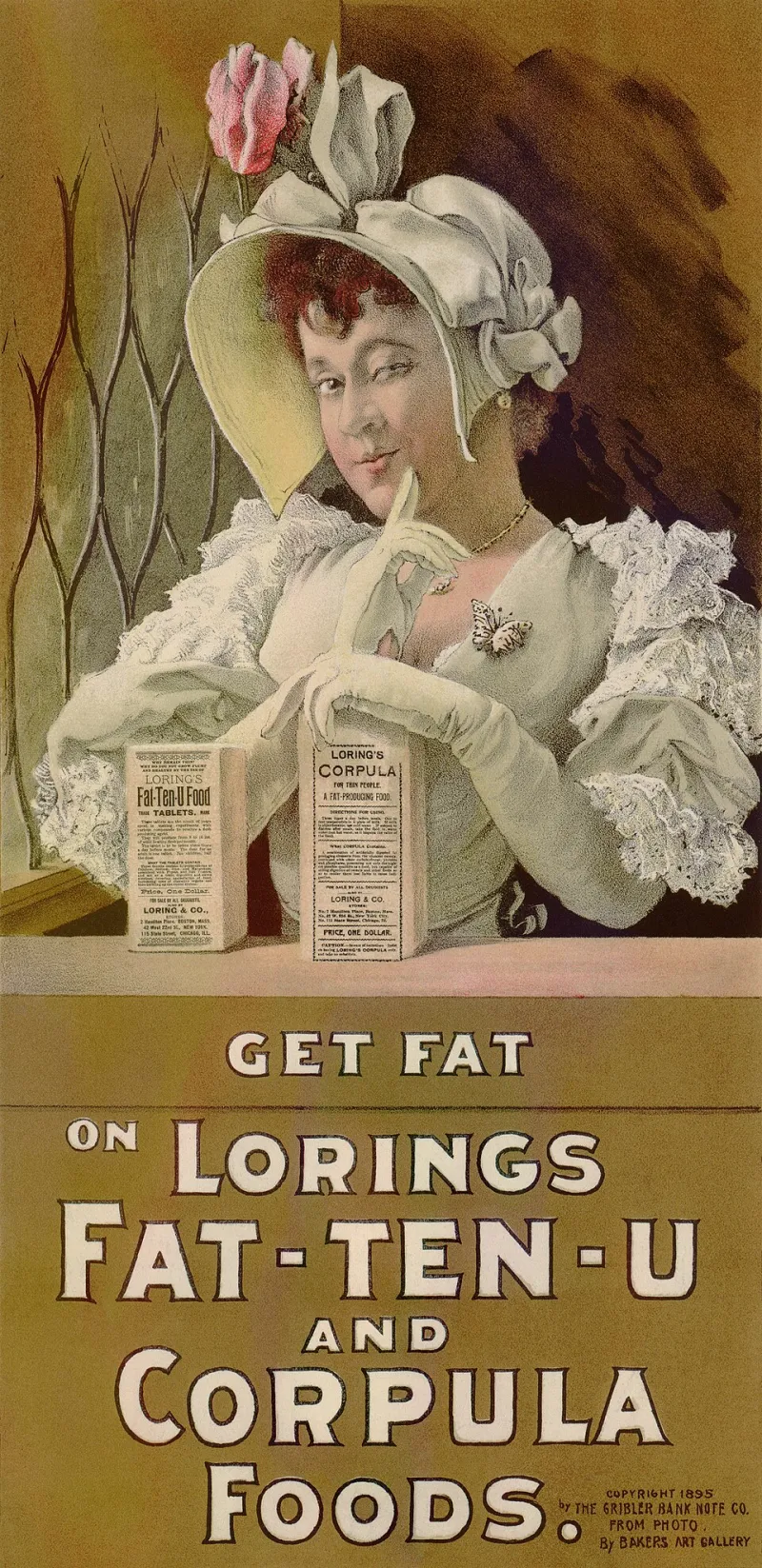
Photo: Baker's Art Gallery, Public domain, via Wikimedia Commons
Let's talk about the blazer. You know the one — you bought it because the color was perfect, the price was right, and you were in a hurry. It looked fine in the dressing room mirror. But now, every single time you put it on, something's off. The shoulders pull. You spend the first twenty minutes of every meeting subtly rolling them back. By noon, you've taken the whole thing off and draped it over your chair, wondering why you ever bought it.
That blazer didn't fail you. The fit did.
And the thing is, we do this constantly. We buy clothes that are almost right, wear them in a low-grade state of discomfort, and then quietly blame ourselves — our bodies, our style instincts, our inability to "make it work." But here's what nobody's saying loudly enough: the real cost of ill-fitting clothes isn't measured in dollars. It's measured in energy, confidence, and the mental bandwidth you spend managing what you're wearing instead of actually living your life.
What "Almost Fits" Is Actually Costing You
There's a tax on wearing clothes that don't fit well. It's invisible, but it's real, and you pay it every single day.
First, there's the physical toll — the constant adjusting, the awareness of your waistband, the neckline that keeps shifting, the hem that drags. Your body is spending energy managing the garment instead of just existing comfortably inside it. That's not a small thing. Discomfort is distracting, and distraction compounds.
Then there's the confidence piece. Studies on enclothed cognition — the psychological effect clothing has on how we think and feel — consistently show that what we wear influences our mental state. But that effect doesn't just come from what you're wearing. It comes from how you feel in it. A beautifully expensive dress that gaps at the chest or pools at the ankles doesn't deliver the confidence boost it promised. It delivers the opposite: a low hum of self-consciousness that follows you through your day.
And finally, there's decision fatigue. When your closet is full of things that don't quite work, getting dressed becomes a problem-solving exercise every single morning. You're not choosing an outfit — you're troubleshooting. That mental load adds up, quietly draining the energy you could be putting toward literally anything else.
The Fit Myth We Need to Retire
Here's a story we've collectively told ourselves for too long: that clothes just fit some people and not others. That certain bodies are "easier" to dress. That if something doesn't fit off the rack, it's a you problem.
It's not. Ready-to-wear clothing is designed to fit a statistical average, not an actual human being. The average American woman is a size 16-18, but most mainstream fashion is still designed and graded with a much narrower range in mind. Even within straight sizes, fit varies wildly by brand, cut, and country of origin. A size 8 at one store is a completely different garment than a size 8 somewhere else.
The fit isn't a reflection of your body. It's a reflection of the manufacturing process. And once you really internalize that, something shifts.
Tailoring Isn't a Splurge — It's a Strategy
When most people think about tailoring, they picture couture alterations and eye-watering price tags. But basic tailoring is shockingly affordable and genuinely transformative. Taking in a seam, hemming a pair of pants, letting out a waistband — these are relatively inexpensive services that can turn a $40 thrift store find into something that looks custom-made.
Here's a useful reframe: instead of asking "how much does this cost?" when you're shopping, start asking "how much would it cost to make this fit perfectly?" A $120 dress you'll wear once because the straps keep sliding is a worse investment than an $80 dress plus a $25 alteration that you reach for every other week.
The math is simple. The emotional ROI is even clearer.
Beyond tailoring, the strategy extends to how you shop in the first place. Buying for your actual body — not the body you think you should have, not the size that feels aspirational — is an act of self-respect that pays dividends every morning. It means you're dressing the person who exists right now, not some future version of yourself who may or may not materialize.
Shopping Smarter, Not Just Spending More
Investing in fit doesn't have to mean spending more overall. It often means spending differently.
Prioritize pieces where fit is non-negotiable — blazers, trousers, structured dresses, anything with a defined waist. These are the garments where half an inch in the wrong direction changes everything. For looser, more forgiving silhouettes — oversized sweaters, flowy midi skirts, relaxed linen trousers — there's a little more room for flexibility.
Learn your measurements. Seriously. Knowing your bust, waist, hip, and inseam measurements before you shop online cuts down on the endless return cycle and helps you read size charts with actual confidence. This one habit alone can save you hours of frustration.
And build a relationship with a local tailor if you can. Find someone whose work you trust, and think of them the way you think of a good hairstylist — a partner in making you look and feel your best. Many dry cleaners offer basic alterations at reasonable prices, and local alterations shops often do excellent work for less than you'd expect.
The Emotional Return on Investment
Here's the thing that nobody really talks about when they give investment dressing advice: it's not just about looking polished. It's about what happens inside when you put on something that fits.
When clothes fit well, you stop thinking about them. You just wear them. You walk into a room and your brain isn't running a background process of "is this okay, does this look weird, why does this keep shifting" — it's just present. That ease, that quiet confidence, is worth more than almost any other style upgrade you could make.
You don't need a bigger closet, a more expensive wardrobe, or a completely different body. You need clothes that fit the body you're in, right now, today. That's it. That's the whole secret.
Investing in fit is investing in yourself — not the aspirational version, not the someday version. The actual, current, deserving-of-good-clothes version. And that's always money well spent.