The Accessories Audit: What Your Bag, Jewelry, and Shoes Are Actually Telling the World
There's a moment most of us have had — standing in front of a mirror, outfit completely pulled together, and then we reach for the same beat-up crossbody we've been using since 2019. Or we layer on the same three gold necklaces we wear every single day without really thinking about it. Or we slip into shoes that technically go with everything but genuinely excite no one, including us.
Here's the thing nobody really talks about: your accessories are not an afterthought. They're a confession. While your clothes might be carefully chosen, washed, and coordinated, your accessories are the things you grab on autopilot — and autopilot is where your real priorities live.
Clothes Are Aspirational. Accessories Are Autobiographical.
Think about the last time you bought a piece of clothing versus the last time you bought a bag or a pair of shoes you actually wear constantly. Clothes often represent who we want to be — the blazer we bought for a promotion we were gunning for, the sundress that felt like a vacation personality, the jeans that were supposed to motivate us. There's nothing wrong with that. Fashion is aspirational by nature.
But accessories? They tend to be more honest. The tote bag overflowing with snacks, lip balm, a crumpled receipt, and a kid's hair tie tells a story no outfit can. The simple diamond studs worn every day for fifteen years speak to a woman who values permanence and understates her elegance. The stack of mismatched bracelets picked up from different cities? That's a travel diary on a wrist.
When you look at someone's accessories, you're seeing their actual life — not the version they planned for.
The Accessories That Are Working for You (And the Ones That Aren't)
Doing an accessories audit is genuinely different from editing your closet. This isn't about getting rid of things that don't spark joy in some abstract sense. It's about getting honest about function and meaning — two things that don't always overlap.
Start with your everyday carry. Pull out the bag you use most. Empty it completely. What's in there? What does the bag itself look like — is it worn in a way that feels lived-in and loved, or just worn out? The bag you reach for every day should feel like a choice, not a default. If you're carrying something out of habit rather than genuine affection, that's worth noticing.
Look at your jewelry flat. Lay everything out — the stuff in your jewelry box, the pieces sitting on your nightstand because you never put them away, the things tangled in a dish by the bathroom sink. Which pieces do you put on without even thinking? Which ones have you been meaning to wear but somehow never do? The ones you wear without thinking are telling you something about your actual aesthetic. The ones gathering dust are telling you something about your aspirations versus your reality.
Be real about your shoes. Shoes are uniquely revealing because they're both functional and deeply personal. The woman who owns twelve pairs of heels and wears flats every day isn't being dishonest — she's just bought shoes for the life she imagined rather than the one she's living. Neither is better. But recognizing the gap is useful.
What Small Pieces Can Anchor an Entire Look
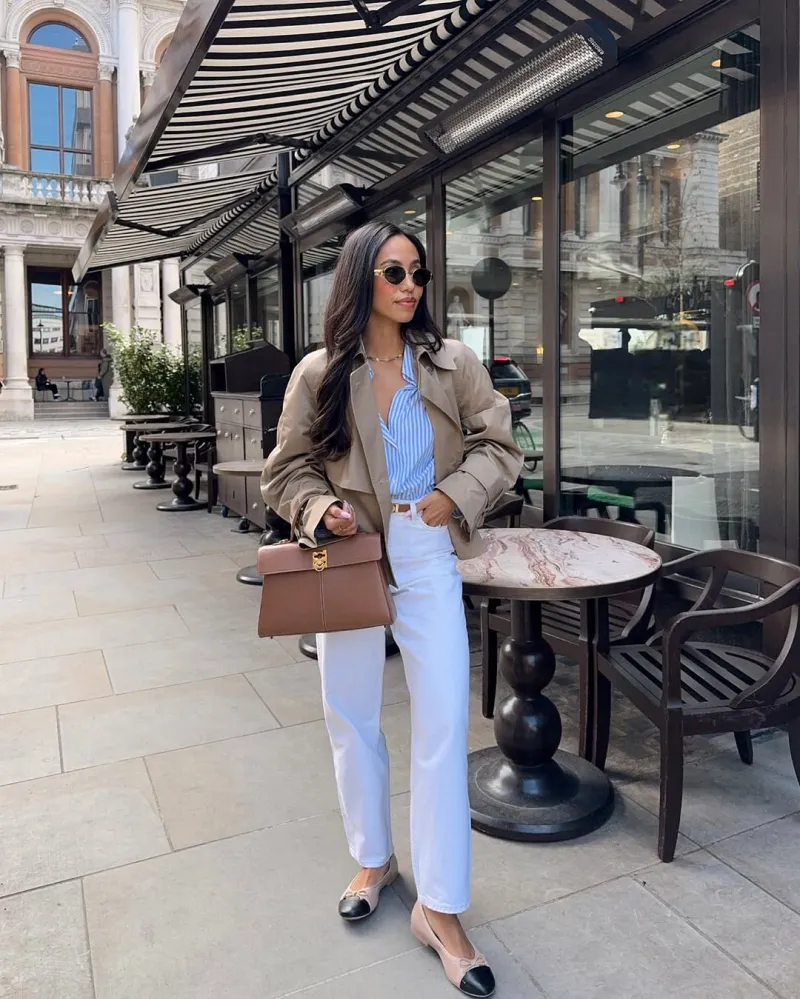
One of the most underrated styling truths is that a single well-chosen accessory can do more for an outfit than an entire wardrobe overhaul. A structured handbag in a neutral tone can make even the most casual jeans-and-tee combination feel intentional. A pair of bold earrings can transform a simple black dress from forgettable to genuinely striking. A silk scarf tied loosely around the neck or looped through a bag handle? Suddenly you look like someone who knows exactly what they're doing.
The key is that these pieces have to be yours — not trend-driven purchases you felt pressured into, not gifts you feel obligated to use, not aspirational buys that don't actually fit your daily life. The accessories that anchor an aesthetic are the ones that feel so natural on you that people would be surprised to see you without them.
Think about the women in your life whose style you admire. I'd bet you can picture their accessories before you can picture their outfits. That's the power of getting this right.
A Practical Framework for Curating What You Actually Carry
Once you've laid everything out and gotten honest about what's working, here's a simple framework for deciding what stays:
Keep if: You reach for it regularly, it genuinely fits your current life, and you'd feel a small loss if it disappeared tomorrow.
Reconsider if: You keep it because it was expensive, because someone gave it to you, or because you might use it someday — but you haven't in over a year.
Let go of if: It's broken, uncomfortable, or associated with a version of yourself you've genuinely moved on from. Accessories that don't fit your life take up psychic space even when you're not wearing them.
Invest in if: There's a gap between what you need daily and what you own. A quality everyday bag, a pair of shoes that actually go the distance, one or two pieces of jewelry that feel like you — these are worth spending real money on because the cost-per-wear math always works out.
The Psychology Behind Why We Reach for the Same Things
There's a reason you have a favorite necklace, a go-to bag, a pair of shoes you wear until they fall apart. Familiarity is genuinely comforting, especially in a world that asks us to make a thousand decisions before noon. Accessories that feel like us reduce the cognitive load of getting dressed. They're shorthand for our identity.
But that same comfort can also keep us stuck. If your accessories haven't evolved in five years and your life has changed significantly — new job, new city, new chapter — there might be a disconnect worth paying attention to. Not because you need to reinvent yourself through shopping, but because the small things you carry every day can either reflect who you are now or who you used to be. Only you know which is true.
Start Small, But Start Honest
You don't need to overhaul everything at once. Pick one category — just your bags, or just your everyday jewelry — and spend twenty minutes getting real about it. What's serving you? What's just taking up space? What's been waiting for a version of your life that hasn't arrived yet?
The goal isn't a perfectly curated accessories collection that looks good in a flat lay. The goal is carrying things that actually belong to your life — the one you're living right now, not the one you planned.
Because the bag on your shoulder, the rings on your fingers, the shoes on your feet? They're not just finishing touches. They're the details that tell your story before you ever say a word.